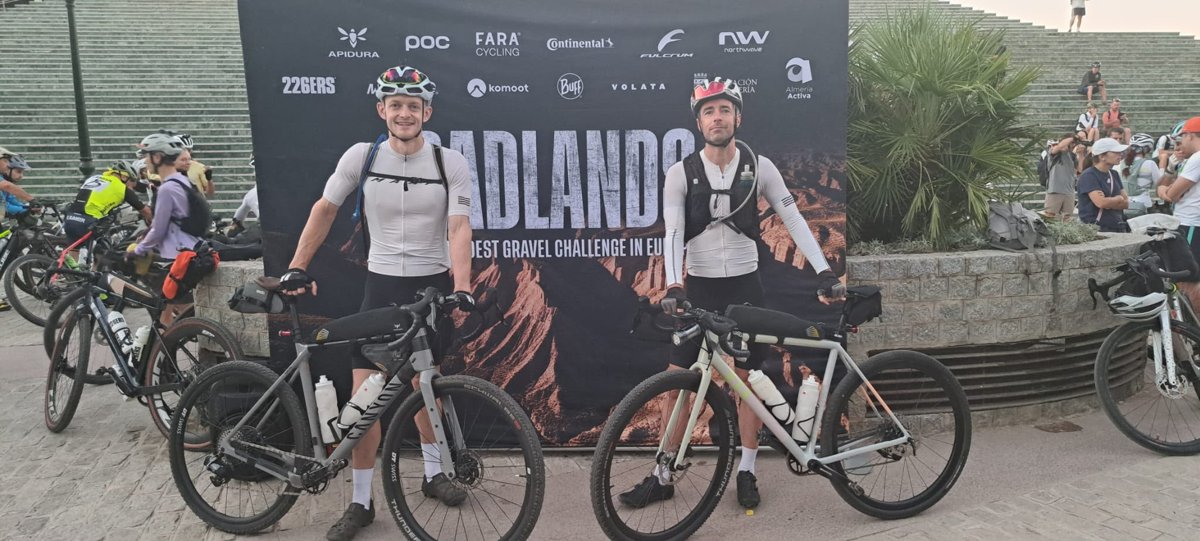
London Dynamo member David Nicholls finished 10th overall at the Silk Road Mountain Race in August 2024: 1,940 km, unsupported, across Kyrgyzstan, in 8 days 20 hours and 35 minutes. Here is his own account.
The race at a glance
- Distance: 1,940 km, unsupported bikepacking across Kyrgyzstan
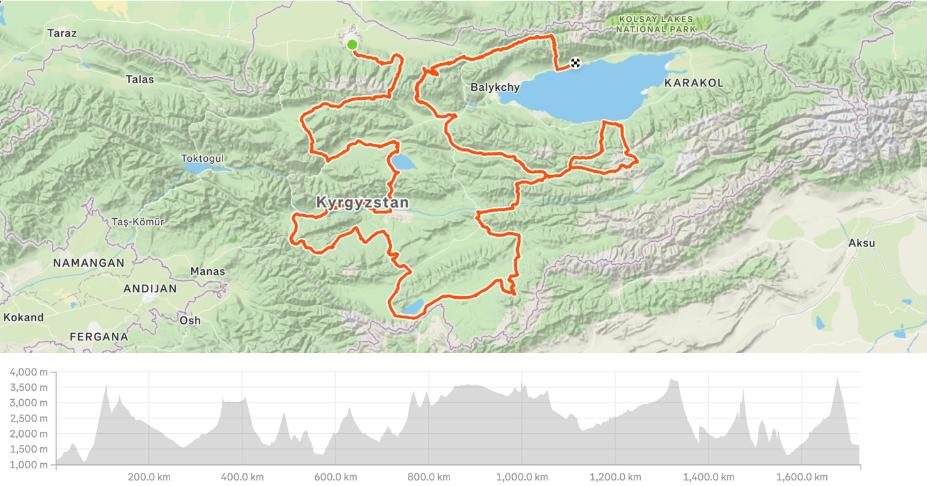
- Climbing: about 30,000 m, starting with 1,000 m to 3,700 m on day one
- Terrain: 75% off-road, rocky and bumpy rather than super technical
- Conditions: temperatures from -10 to +40 degrees, with very little resupply
- Finish rate: only about half of the starters finish
Top ten at the Silk Road, by David Nicholls
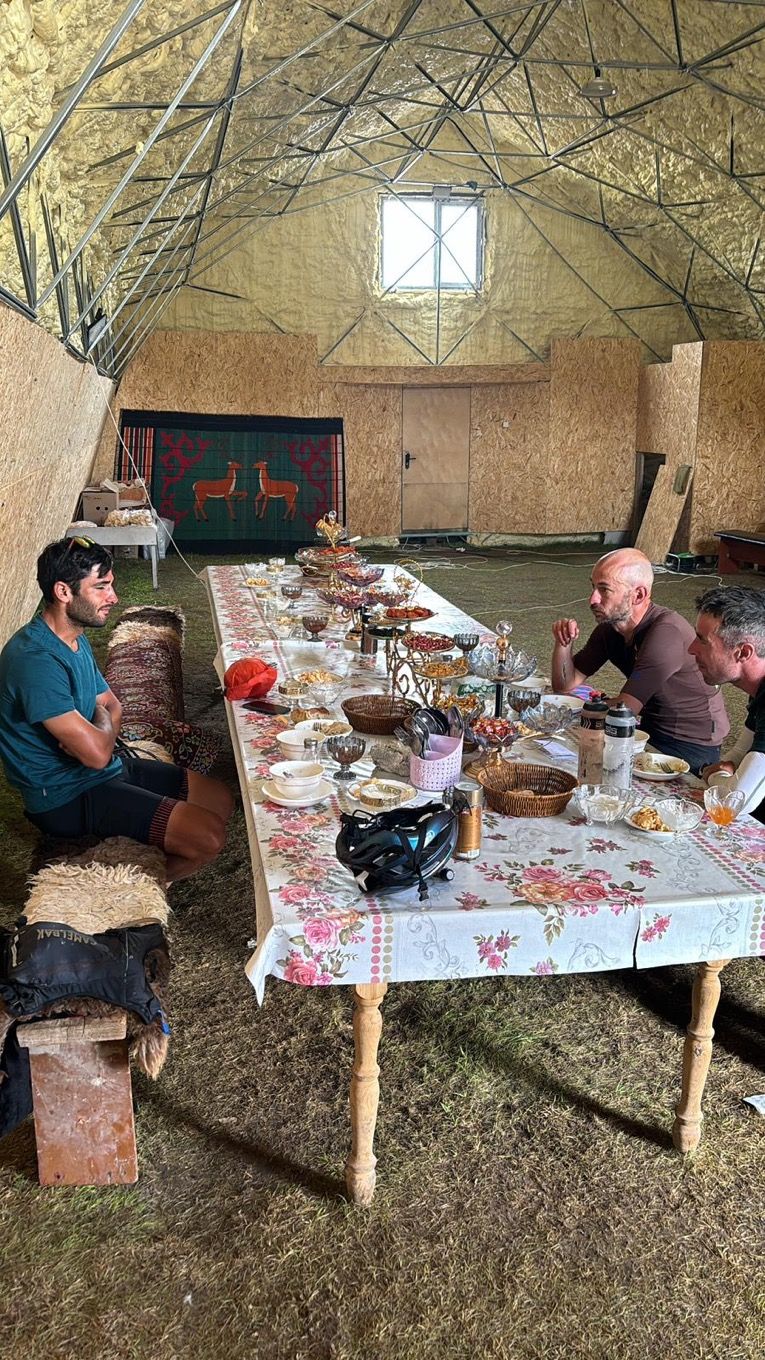
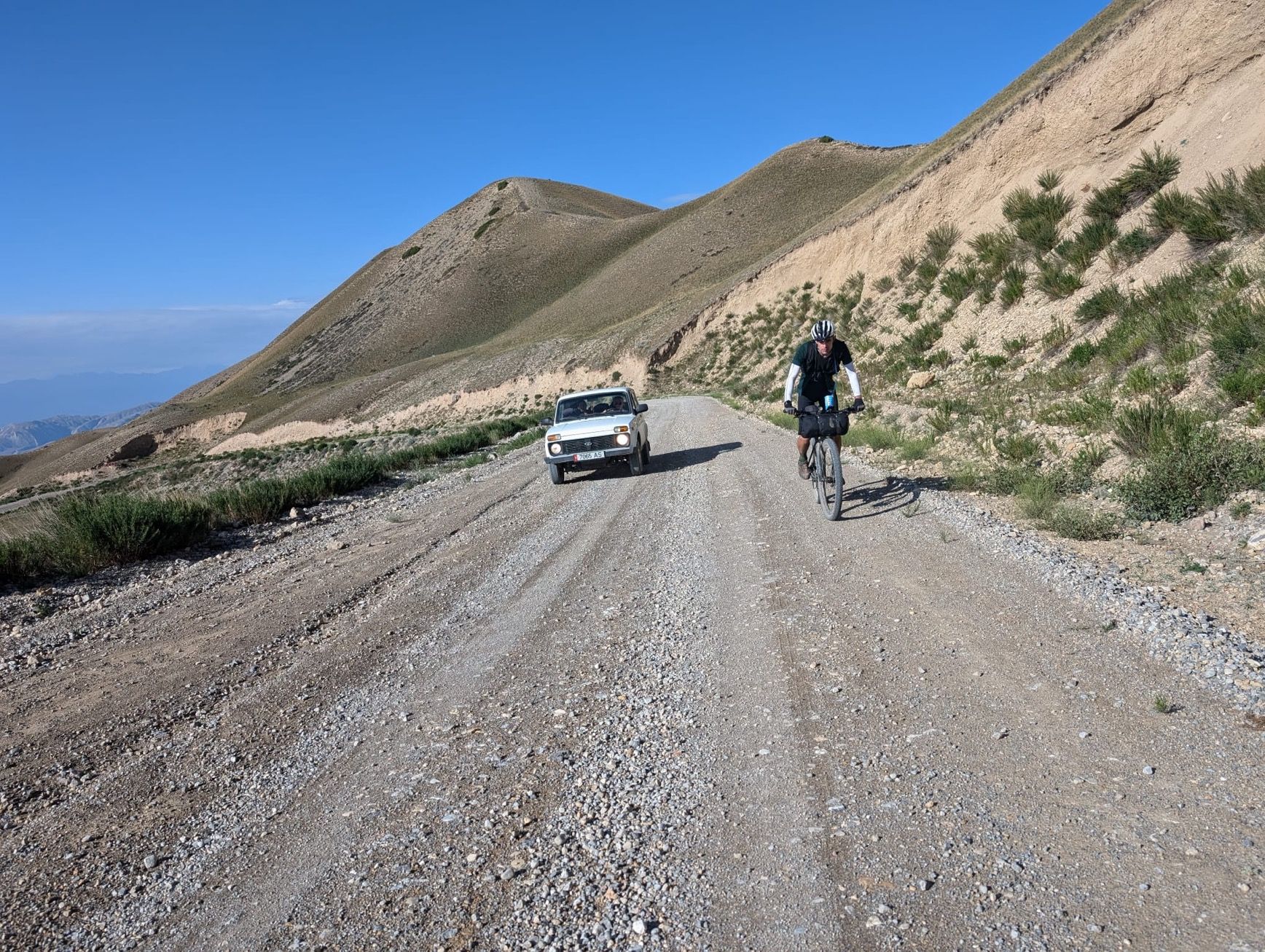
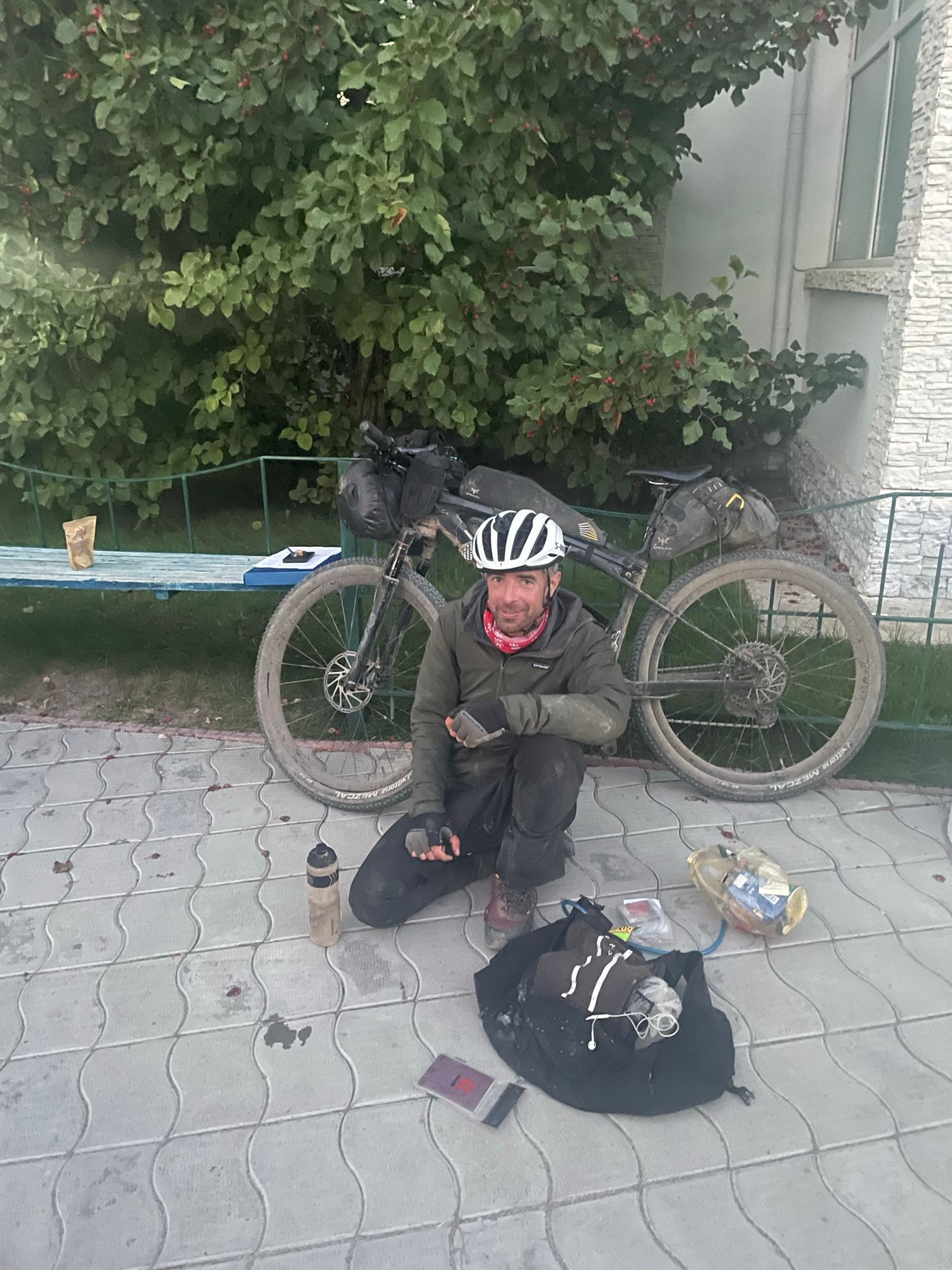
In August I lined up at the Silk Road Mountain Race, a 1,940 km unsupported bikepacking race across Kyrgyzstan. The format is simple: you are given a GPX file and a start time, and it is a question of how quickly you get to the finish. There were three checkpoints with food and beds, mostly yurts in the mountains, but other than that you are left to yourself, which for me meant a lot of Snickers bars and bivvies in the mountains. The terrain was 75% off-road and generally not super technical, but very rocky and bumpy, which meant my super-lightweight full-suspension mountain bike was the best tool for the job.
The race is regarded as one of the hardest and most prestigious in the off-road bikepacking world, thanks to a combination of length, relentless climbing (30,000 m), high altitude (the first day went from 1,000 m to 3,700 m), extreme weather (-10 to +40 degrees) and lack of resupply. Only about 50% of racers finish, and those who quit are spread evenly across the field, so it is not just the back markers.
I have done the race twice before, largely because my wife is from Kyrgyzstan, and this time I was keen to give it a nudge and try to place competitively. Final positions are largely determined by moving time rather than speed, so everyone is treading a fine line between sleeping and stopping as little as possible, and making sure the mind, body and bike can hold up for 7 to 14 days of effort.
My plan was to look after myself as much as possible and prepare mentally for pushing hard in the second half, when I knew others would be flagging. I slept around four hours a night for the first six days, riding around 18 hours a day and focusing on eating and drinking as much as I possibly could. I rose slowly through the field, thanks to a combination of more discipline on sleep and stopping time, and attrition, as people ahead quit with technical problems, injuries or stomach trouble.
- Checkpoint 1 (400 km): 25th
- Checkpoint 2 (624 km): 15th
- Checkpoint 3 (850 km): left alongside the riders in 10th and 11th place, after sleeping only 3.5 hours
- Finish: 10th overall in 8 days 20 hours
After checkpoint 3 I slept around four hours a night for the next three days and nights, and finished 10th overall in 8 days 20 hours, which was an incredible result for me. Most of those ahead of me were semi-pro or pro, and certainly not Barnes-based parents of two!
The route
David’s Strava activity shows the route and elevation profile.
Photos
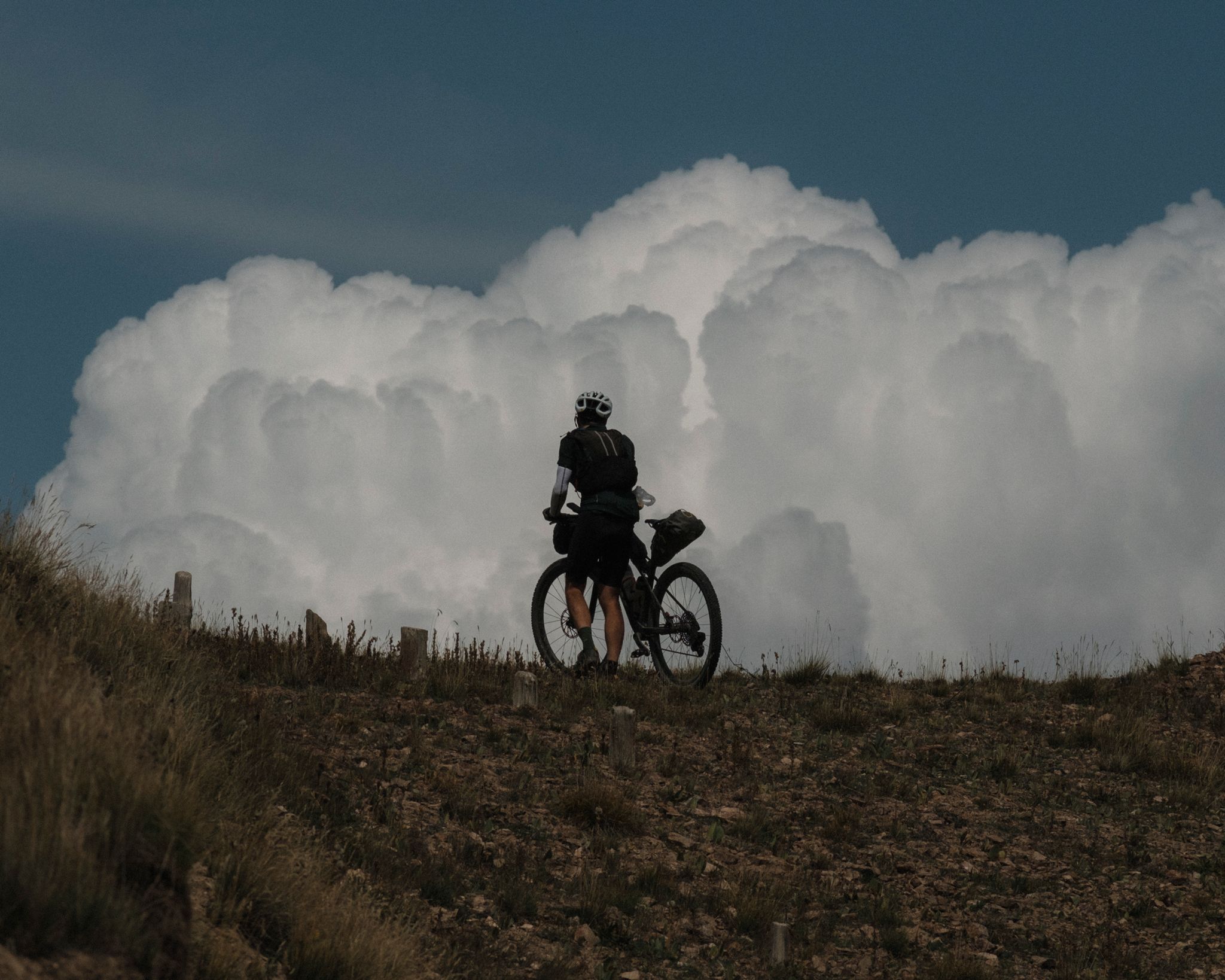
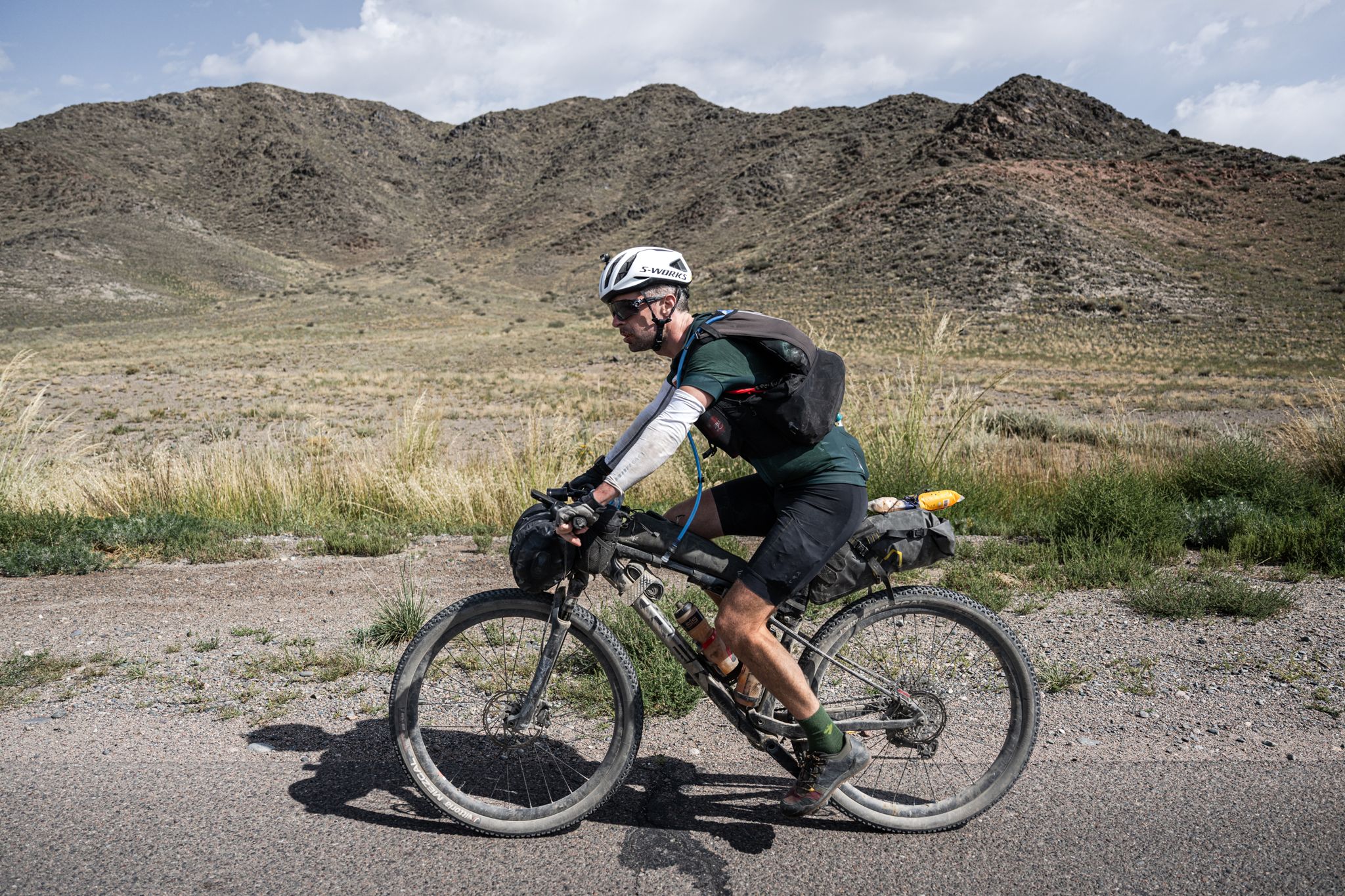
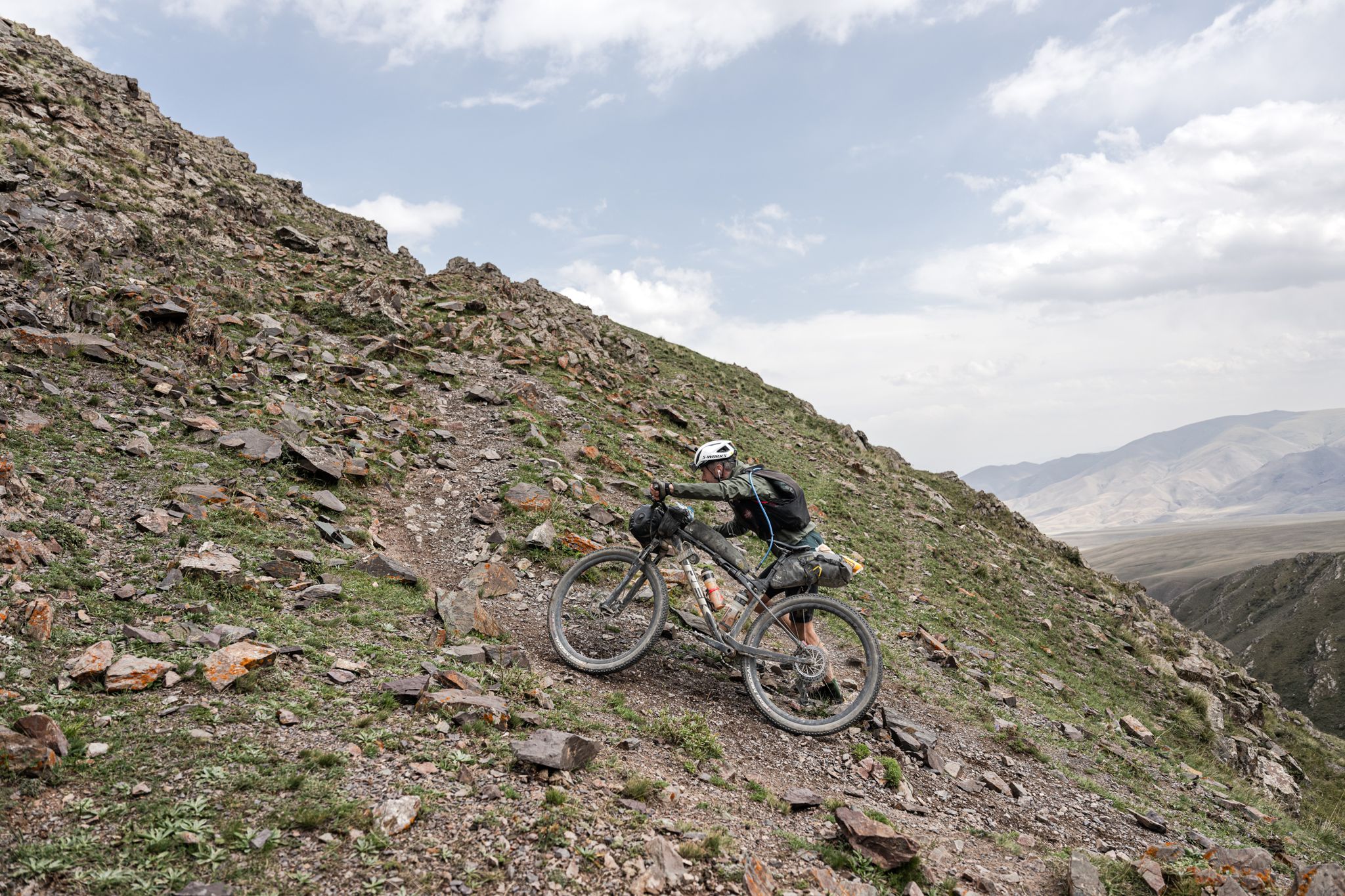
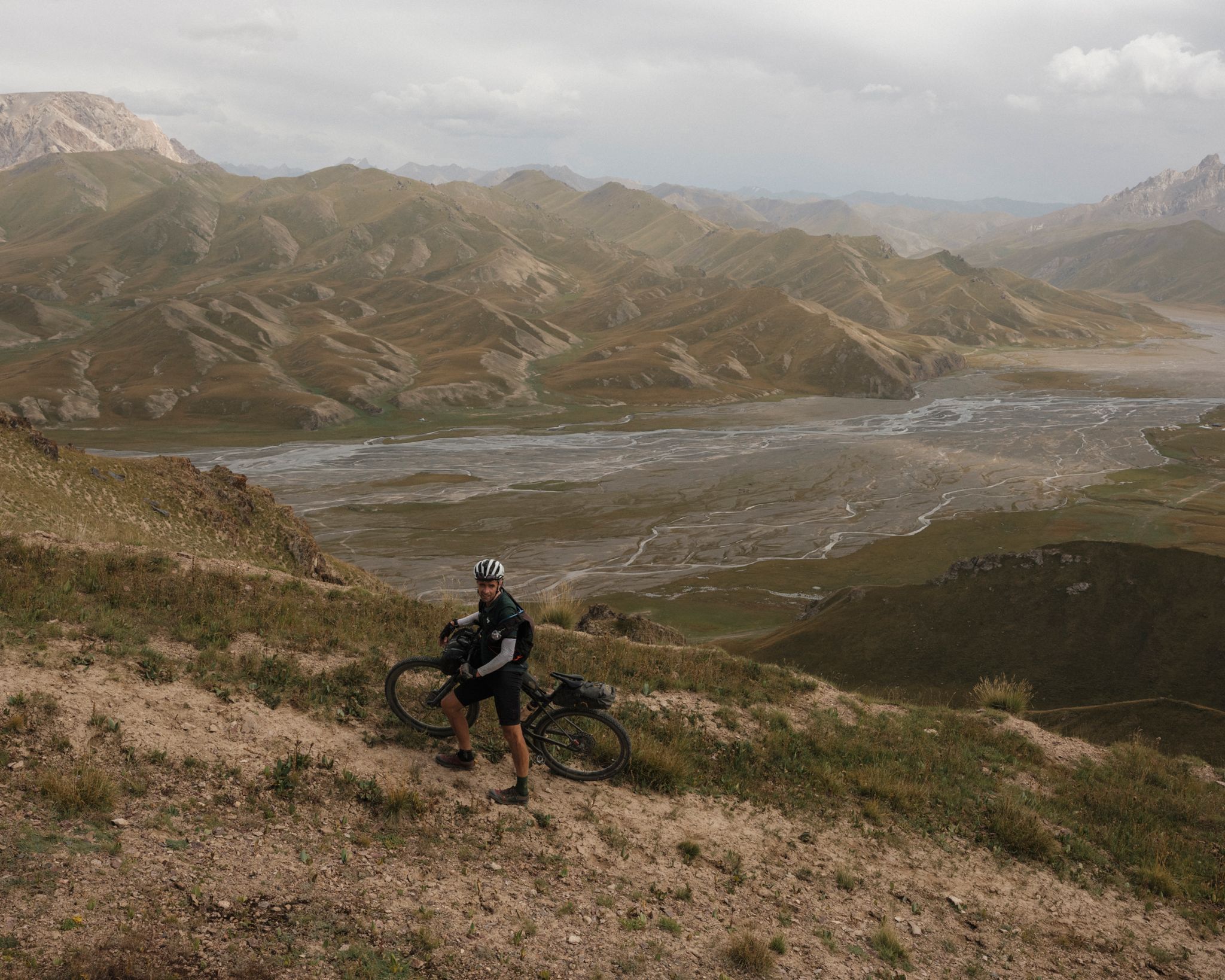
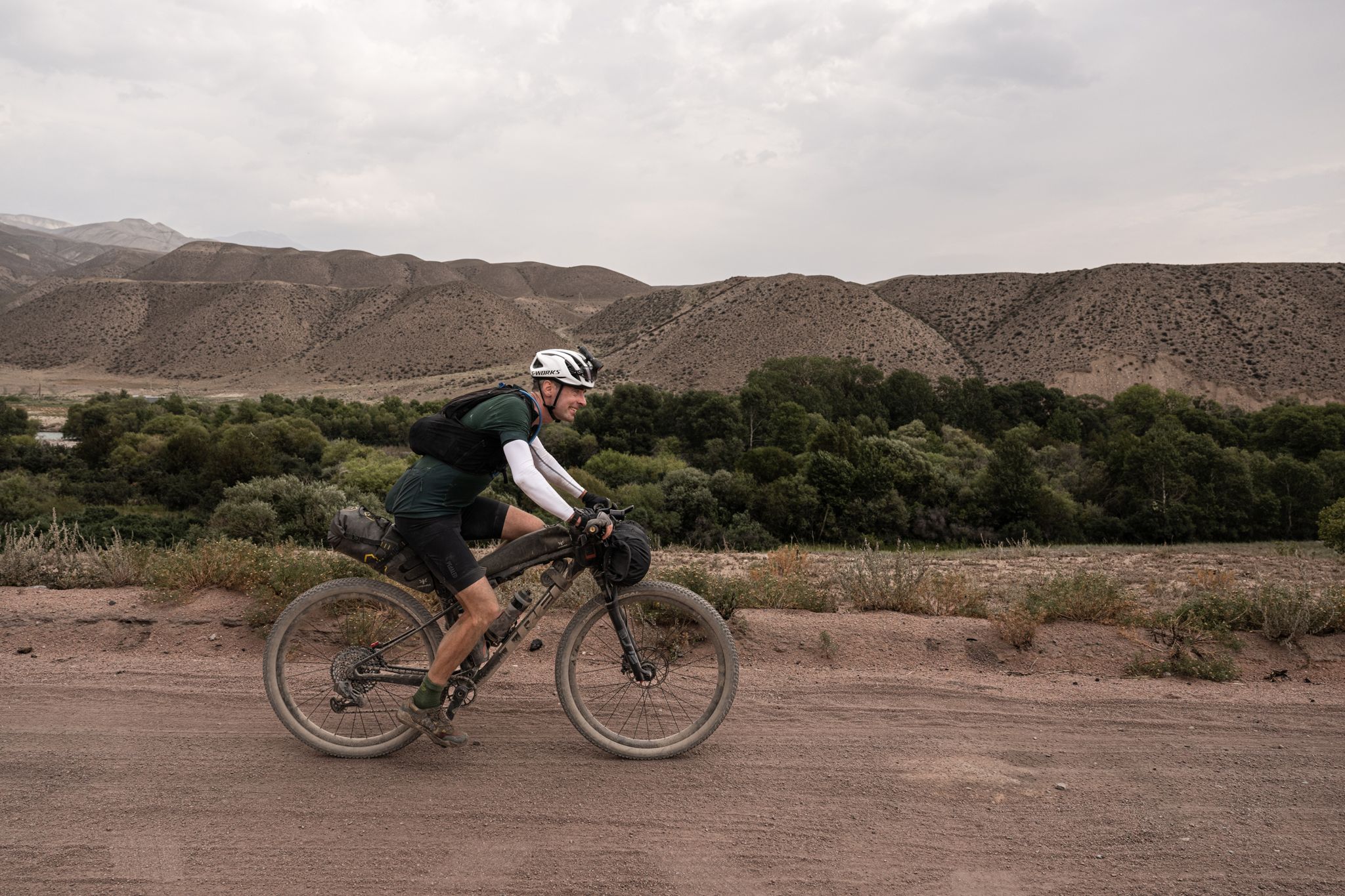
Photos courtesy of Nils Laegner, Stephen Shelesky and some of the riders.