Whether you’re tackling an organised event or plotting your own route, the difference between “best day on the bike” and “bonk at mile 62” often comes down to one thing: fuelling. The rules are generally the same whether you consider a ‘Century’ as 100km or 100 miles. Tomatoes, tamadoes…
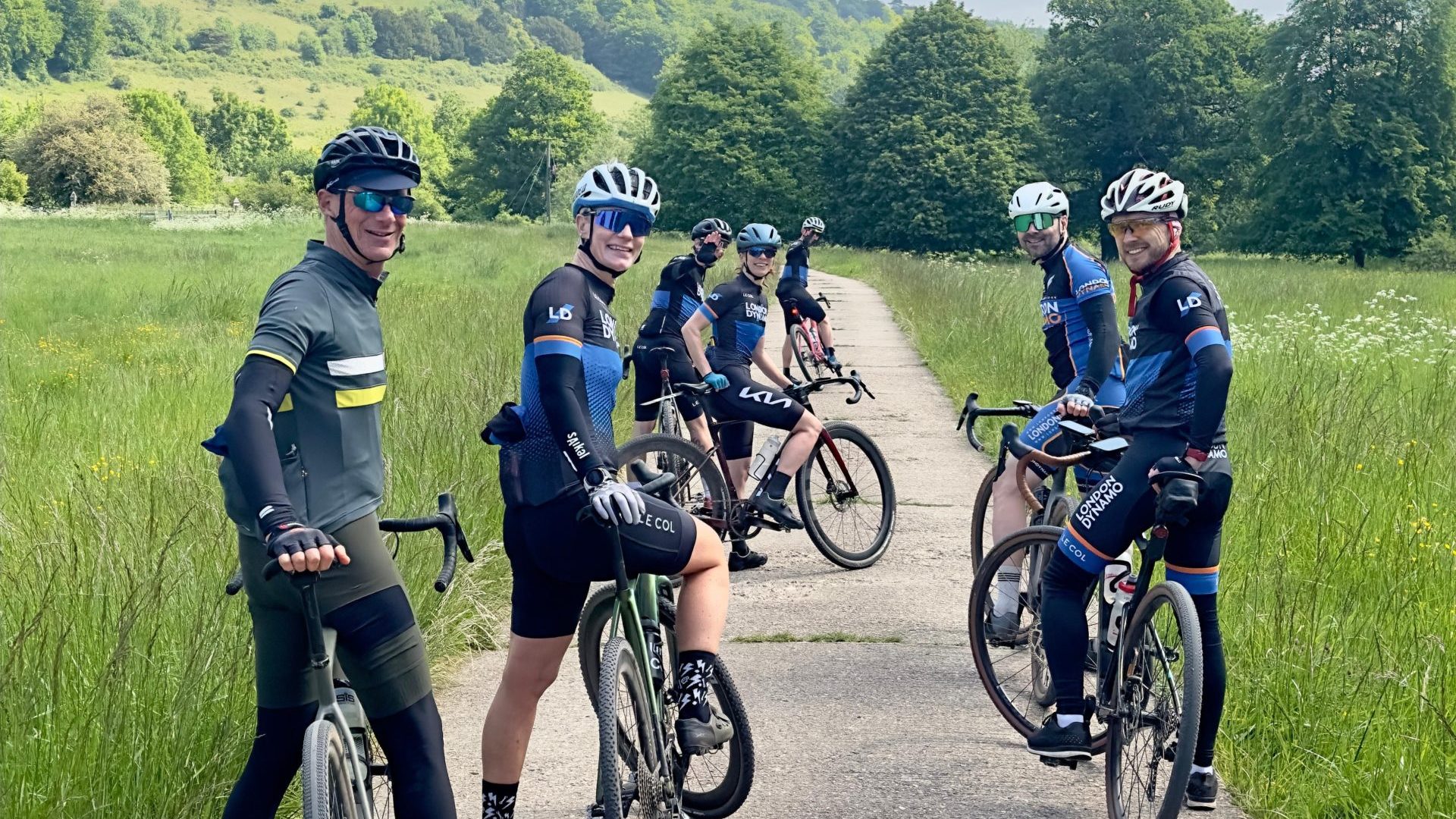
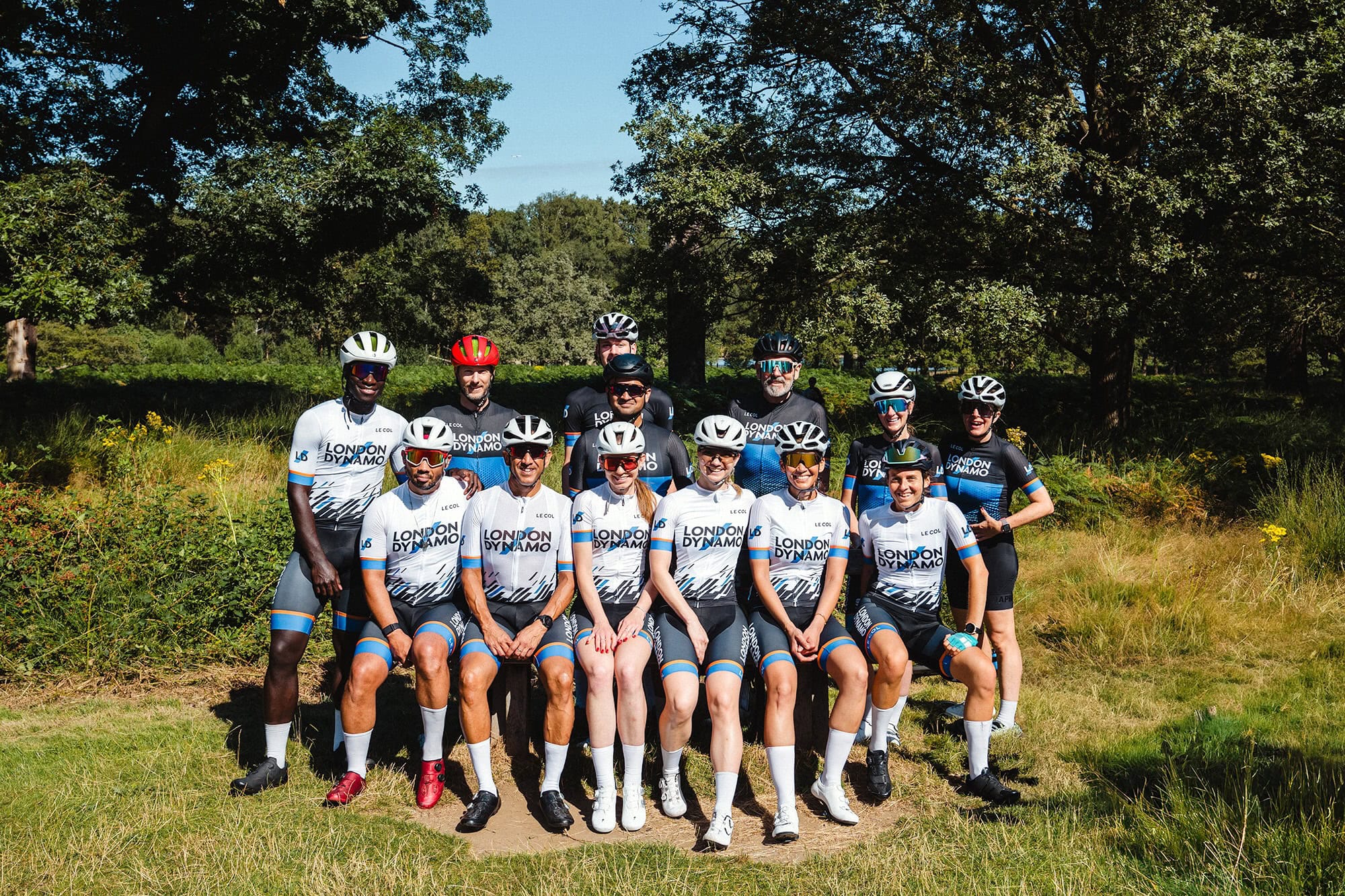
At London Dynamo, many of our weekly Sunday rides exceed 100km in distance. Each week, our Sunday rides are expertly led by one of our Ride Marshals. For the slowest group, we follow a Non-Drop policy, meaning we ride at the pace of the slowest rider – so you are guaranteed not to be dropped or left behind.
Tip: If it’s your first century, we recommend choosing a flatter route, as tackling a hilly ride on your first attempt could be a step too far. All weekend rides are posted to the club’s WhatsApp Community a few days in advance, including the planned route and distance. Midway through each ride, we always take a break at a local cyclist-friendly café to rest up and refuel.
Alternatively you could choose one of our annual club rides such as the very popular Tour of the Isle of Wight (128km), the London-2-Brighton-2-London (176km) or one of our LD Goes expeditions (one way rides of, return by train) which are all typically over 100km in length.
This guidance has been compiled by London Dynamo riders who regularly complete 100–160km / 100-mile rides, drawing on real-world experience from club rides, audaxes, sportives, and long-distance training routes.
“Fitness gets you to the start line. Smart nutrition gets you to the finish”
Start the Night Before: Priming the Tank
You don’t need a mountain of pasta – but you do need topped-up glycogen stores. Some nutritionists recommend fuelling even longer; 48-24 hours before your ride. Aim for 10-12g of carbs per kg of body weight, per day in the final 48 hours. Science in Sport (SiS) recommend a slightly lower goal of 8-10g/kg body weight for most cyclists.
The evening before your ride:
- Focus on carbohydrates (rice, pasta, potatoes, oats)
- Include lean protein (chicken, tofu, fish, beans)
- Keep fats moderate and avoid heavy, greasy meals
- Stay well hydrated (pale straw-coloured urine is a good sign)
- Have a good nights rest/sleep
On the morning of your ride (2–4 hours before roll-out):
- Aim for 1-4g of carbs per kg of bodyweight (1-2g/kg is sufficient for most amateurs)
- Keep it familiar – this is not the day to experiment
- Add a little protein, but avoid high fiber or high fat
Classic pre-ride breakfasts:
- Oats with banana and honey
- Toast with peanut butter and jam
- Rice and eggs
- Pancakes with fruit
If nerves limit your appetite, a smoothie or liquid breakfast works well.
Eat Early, Eat Often: The Golden Rule
In a century ride, you’re burning 500-1200+ calories per hour depending on pace and body weight. You can’t replace all of that – but you must replace enough to avoid depletion.
Target: 60–90g of carbohydrates per hour (for a well trained amateur)
Start fuelling within the first 30 minutes. Don’t wait until you feel hungry. By then, you’re already behind.
Go as high as 90-120 g/hour of carbs for elite of very well conditioned riders who have trained their guts.
Go below 60g/hour of carbs and you are almost guaranteed to tap out your internal stores before the end of the ride.
Easy On-Bike Fuel Options
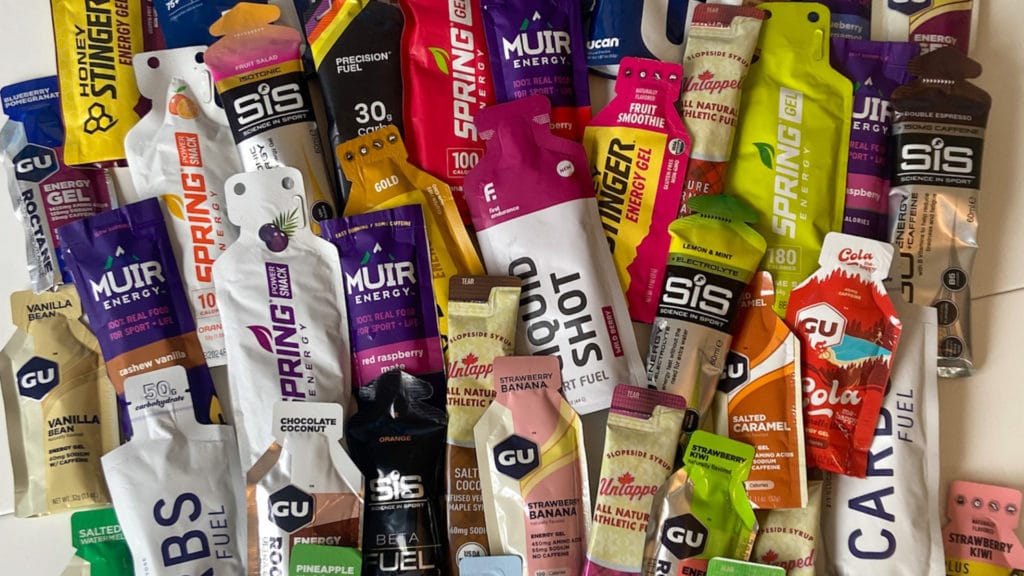
- Energy gels
- Energy bars
- Chews, gummies or blocks
Popular brands for energy gels & bars and chews/gummies/blocks include * SiS, Maurten, High5, TorQ, Precision Hydration, Clif, OTE, Styrkr, and Veloforte (there are many more) - Bananas
- Fig rolls
- Rice cakes
- Sports drink
A simple rule: eat something every 20–30 minutes. Plan your fuelling by time rather than distance. SiS recommend 2-3 gels per hour for long rides.
If your event provides feed stations, plan ahead. Know what’s available so you can supplement with your own trusted options.
Tip: Have a look at *Precision Hydration’s Fuel & Hydration Planner, which will provide you with a personalised fuel & hydration plan for your next ride or race.
Hydration: More Than Just Water
Dehydration sneaks up on you – and once it does, performance drops quickly.
General hydration targets:
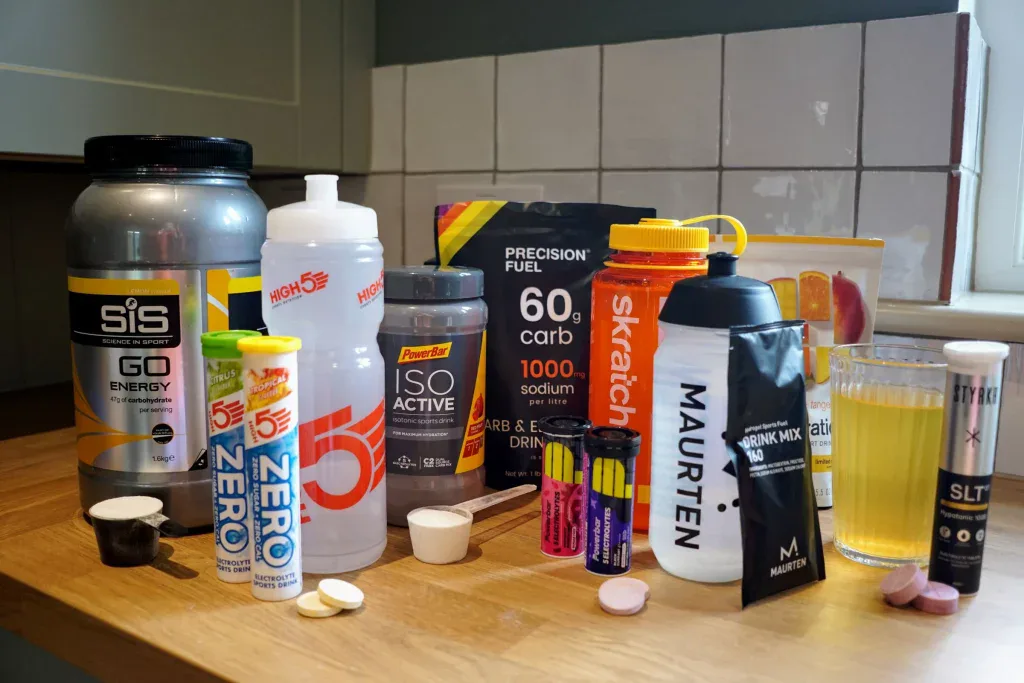
- 500-800ml per hour (more in heat, up to a litre/hour)
- Sip fluids every 10-15 mins
- Include electrolytes if riding over 90 minutes (available in gels or ready to mix powders).
- Add sodium (especially if you’re a salty sweater)
* Precision Hydration sells electrolyte tablets designed to be mixed with 1 litre of water, available in 3 sodium strengths 500mg, 1000mg and 1500mg. Read their article here: How to Estimate How Much Sodium You Lose in Your Sweat
Signs you’re under-fuelling or dehydrated:
- Sudden fatigue
- Dizziness
- Headache
- Irritability
- Loss of power
If it’s hot or humid, increase fluid intake and consider lowering intensity slightly to stay within sustainable limits.
Tip: Take a look at EatMyRide, a nutrition app for cyclists that tracks, plans, and optimises your energy intake in real-time. As of February 2026, this app integrates as an app/widget onto your Garmin head unit (not currently Wahoo or Hammerhead).
Avoiding the Bonk
“Bonking” (hitting the wall) happens when glycogen stores are depleted. It feels like someone turned off the lights in your legs.
Prevention is simple in theory:
- Eat consistently
- Don’t surge excessively
- Pace conservatively in the first 50 miles/80km
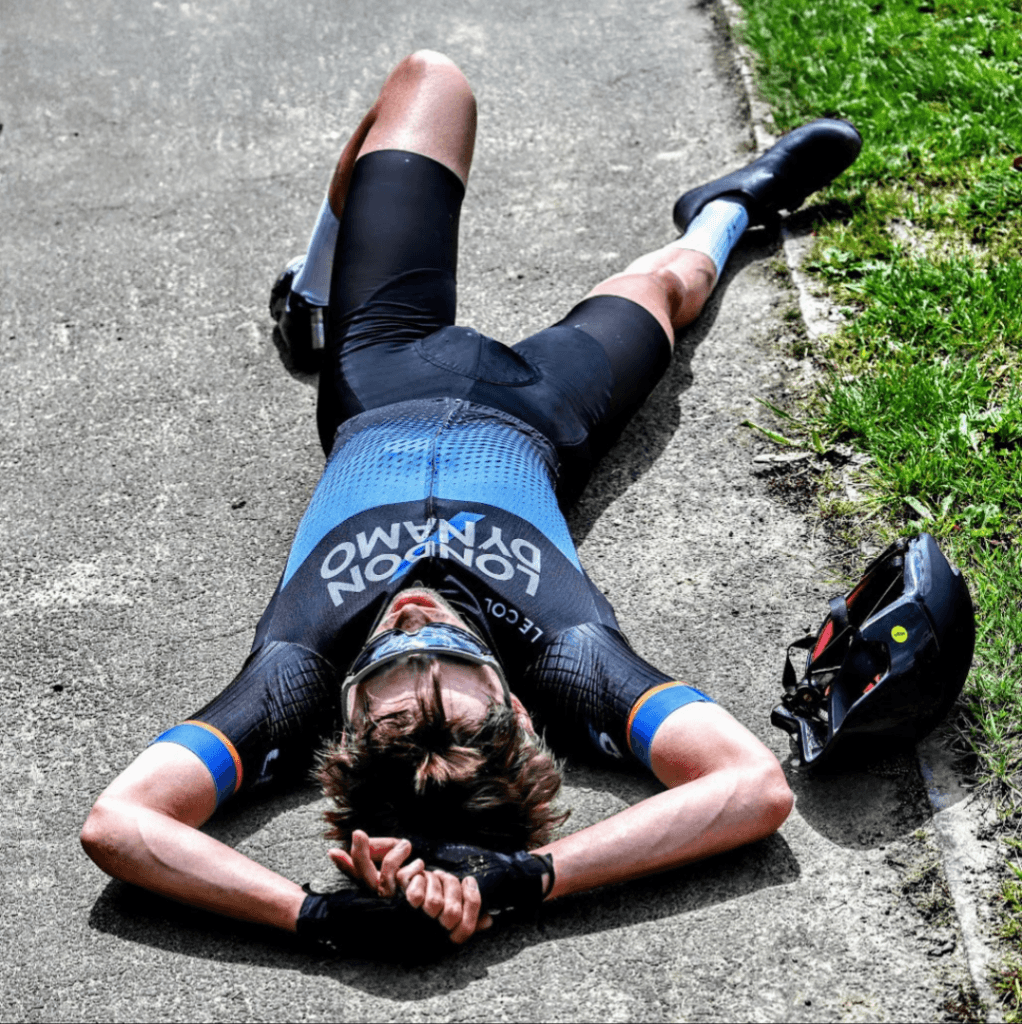
If you do start to fade:
- Take in fast carbs immediately (gel + sports drink)
- Ease the pace for 10-15 minutes
- Keep sipping fluids
Recovery can take 20-30 minutes – so prevention is far easier than rescue.
Test Drinks in Training, Not on the Ride
Tip: Avoid trying a new hydration or energy drink for the first time on a long ride, as it may cause stomach upset or worse.
- Stomach sensitivity: Your gut can react unpredictably to new ingredients, flavours, or concentrations of sugar and electrolytes, especially during exercise.
- Dehydration or cramping risk: A new drink could cause nausea, bloating, or diarrhoea, which can disrupt fluid and carbohydrate intake on a long ride.
- Consistency is key: Athletes are advised to “train the gut” with the same hydration and fuelling strategy you plan to use in races or long rides.
Real Food vs. Sports Nutrition
There’s no single correct approach.
Sports nutrition products are:
- Convenient
- Easy to digest
- Precisely dosed
Real food is:
- Often cheaper
- More satisfying
- Easier on the palate over long rides
Most experienced riders use a mix of both. The key is training your gut during long training rides so your stomach knows what’s coming.
Tip: Try making your own fresh energy bars. How about this recipe from pro team EF Pro Cycling. There are many others online and they are easy to make.
Final Thoughts
Your first century isn’t just a test of fitness – it’s a test of strategy. The riders who finish strong aren’t always the strongest; they’re the ones who managed their effort and fuelled with discipline.
Train your legs. Train your pacing. And just as importantly – train your stomach.
* London Dynamo is neither affiliated with nor endorses, and has no association whatsoever with any of the companies or products mentioned in this article.